Hot-fill sauces
Pasta, barbecue, hot sauce and simmer sauces in glass, shelf-stable for 18 months.
From 300 casesNext open pilot batch: week of January 12
Co-packing in Green Bay since 2006
We co-pack hot-fill sauces, soups and dips for small brands in Green Bay, with full runs from 300 cases once you are ready.
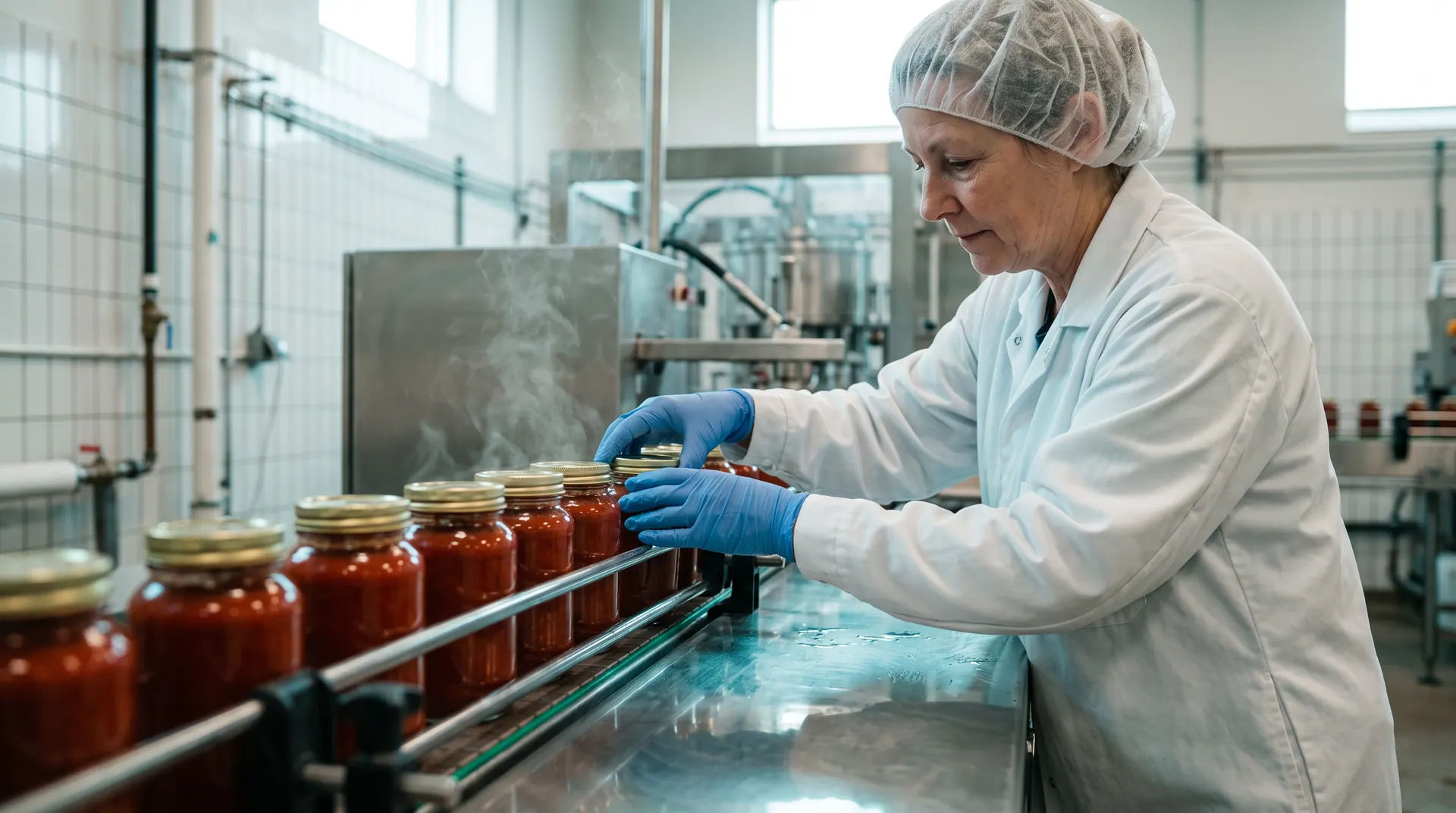
What we can run
If it is cooked in a kettle and filled hot or cold into a jar, bottle, pouch or tub, we can likely make it. Each card lists our smallest full run.
Pasta, barbecue, hot sauce and simmer sauces in glass, shelf-stable for 18 months.
From 300 casesChunky or smooth, filled hot into jars or frozen in pouches for deli and grocery.
From 300 casesFresh-style and cooked salsas with the chunk size you want, not what a big plant prefers.
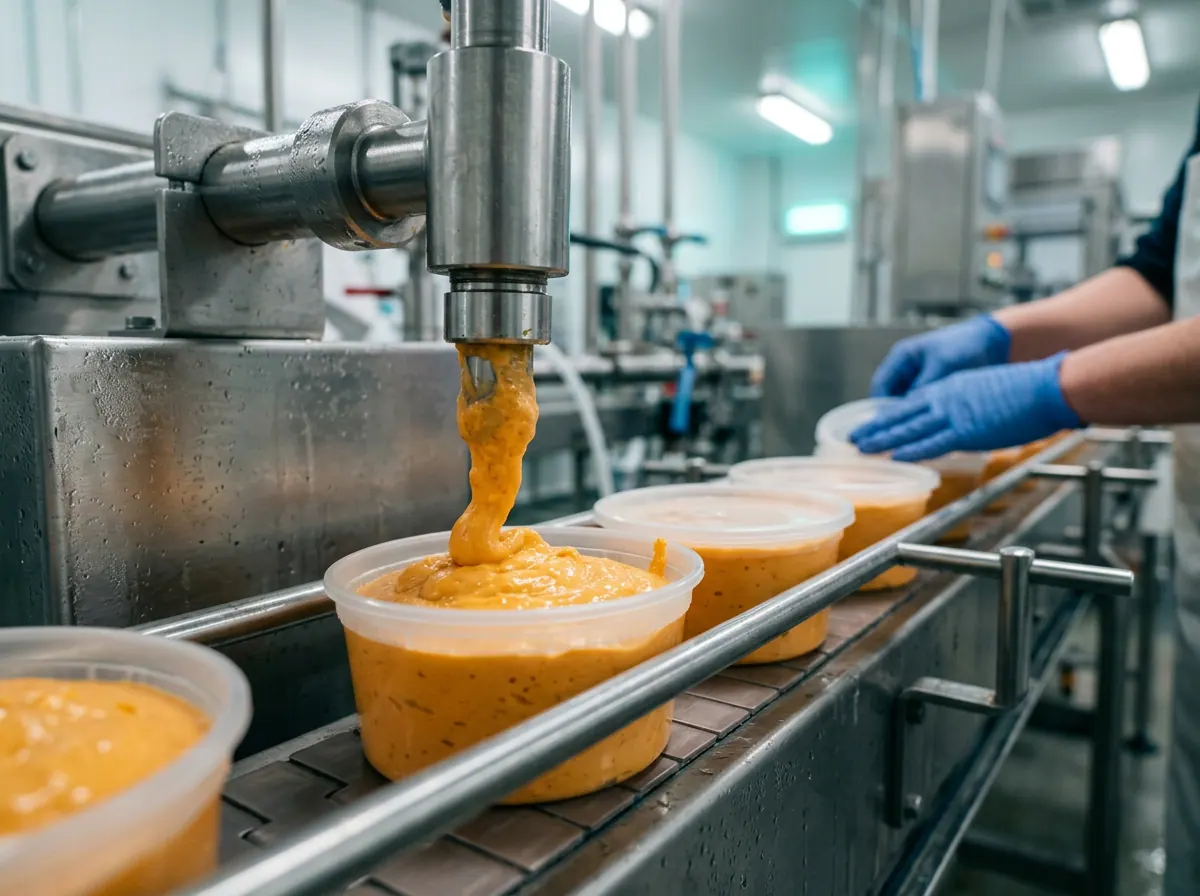
From 300 casesBeer cheese, spinach dip and spreads made with Wisconsin dairy, packed cold in tubs.
From 200 casesPourable dressings and marinades in bottles, with tamper bands and induction seals.
From 300 casesJams, butters and chutneys cooked in small open kettles for a homemade set.
From 250 casesThe recipe-to-shelf guide
Most first-time brands are on shelves in 10 to 14 weeks. Here is exactly what happens, what it costs and what you need to bring.
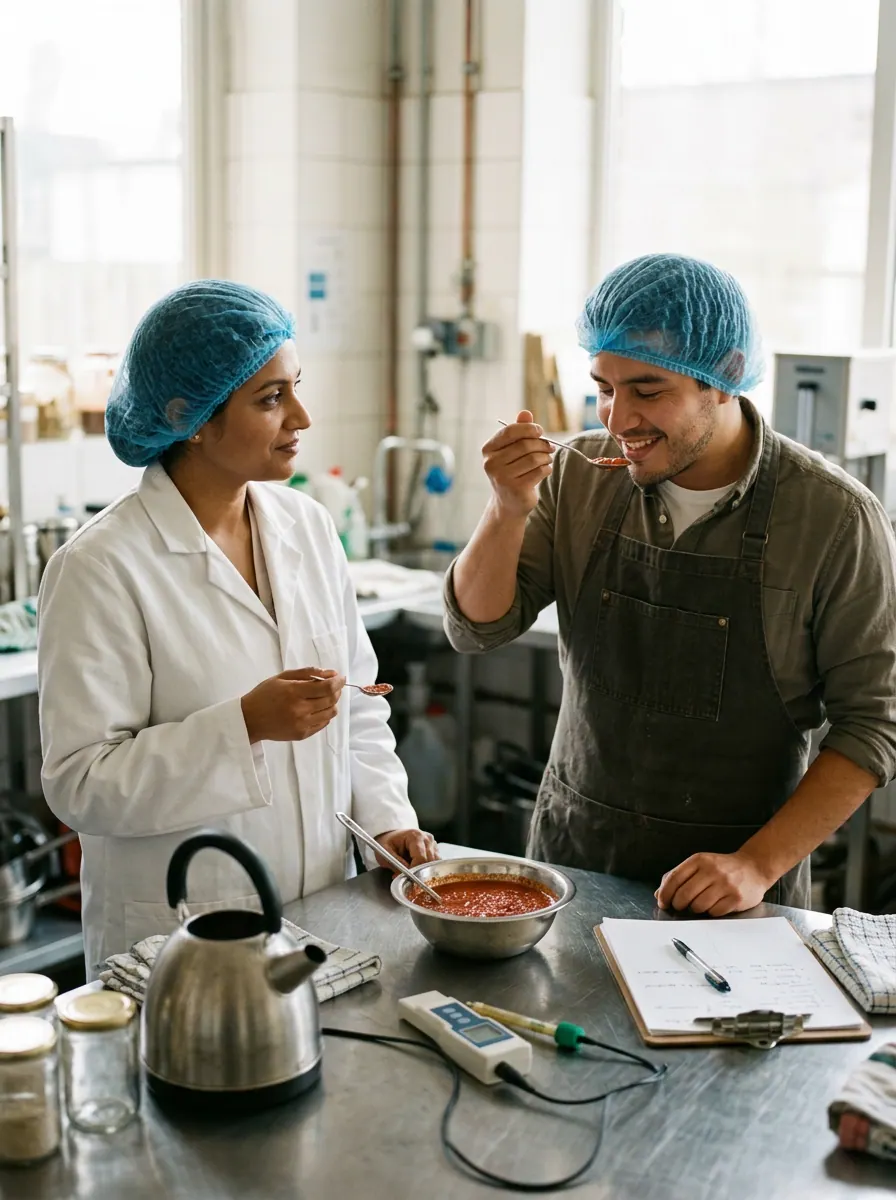
Forty-five minutes with our food scientist. Bring your recipe, your target store and your rough volume. We tell you honestly if we are the right fit.
We convert your recipe to a batch formula and send it to an independent process authority, who sets the cook time and temperature that keep it safe on the shelf.
We cook and fill about 30 cases on the real line. You taste it, test the label and hand jars to buyers before you commit to a full run.
$1,850 flat. If you book a full run within 90 days, it comes off your first invoice.
From 300 cases, coded, cased and palletized. Every batch is held until its pH and fill weights are checked and signed off.
Reorder on a two-week lead time. We store finished pallets free for 30 days and ship to your distributor or warehouse.
What sets your price
No mystery fees. Your quote breaks out each of these so you can see where a change would save money.
Worked example
| Ingredients we source | $1.18 |
| Stock glass jar and lug cap | $0.71 |
| Cooking, filling and labeling | $0.64 |
| Case, coding and pallet | $0.17 |
| Batch testing | $0.04 |
| Your cost per jar | $2.74 |
Example only. At 1,200 cases the same jar drops to about $2.49. Your quote will use your recipe and today's ingredient prices.
Words you will hear
Six terms that come up on every first call, in plain English.
Filling the product above 185°F and sealing it right away, so the heat makes the jar shelf-stable without a retort.
An independent food safety expert who reviews your recipe and sets the cook and fill steps that keep it safe.
The smallest batch we can make efficiently. For most of our sauces it is 300 cases of 12 jars.
How acidic your food is. Sauces at 4.6 or below can be hot-filled. Above that, they need refrigeration or another process.
A co-packer runs your recipe. A co-manufacturer also helps create it. We do both, starting from your kitchen version.
The date and batch printed on every jar, so any single batch can be traced from our kettle to the store.
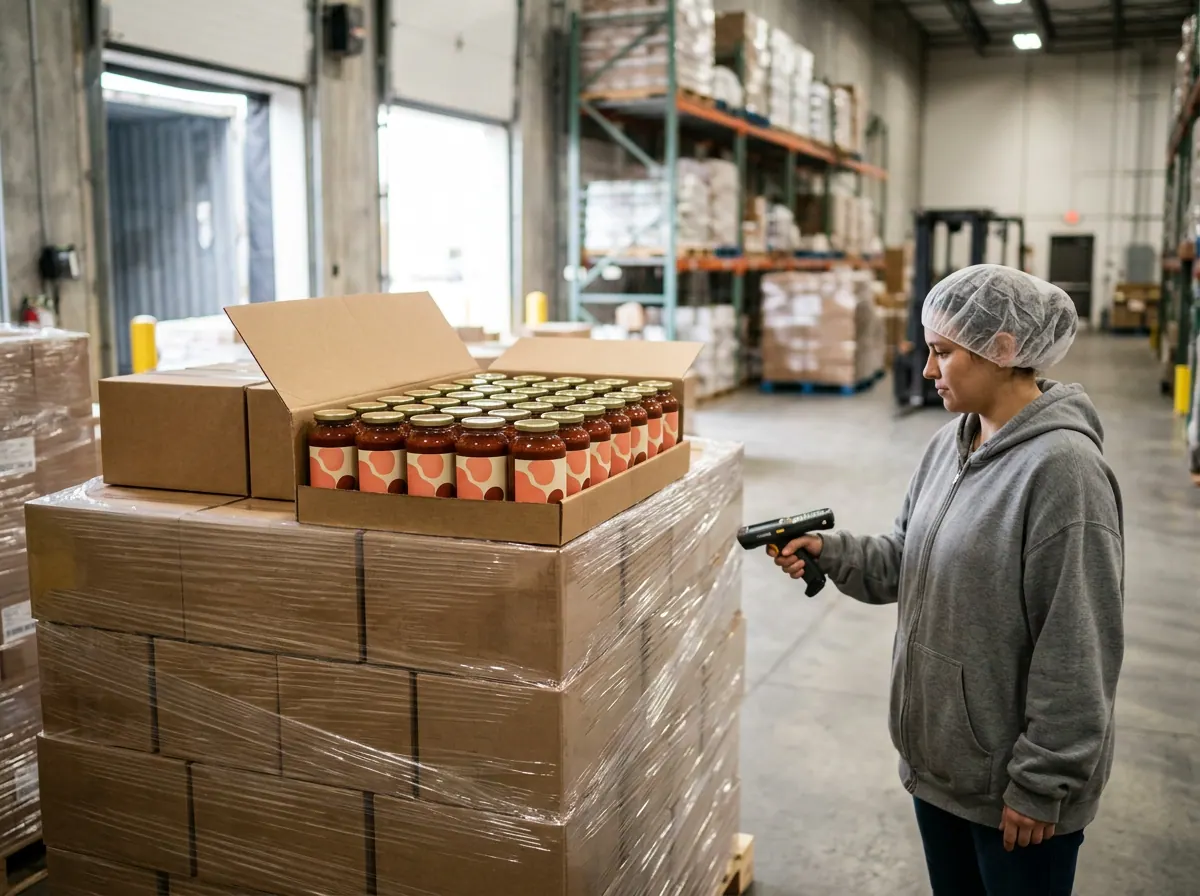
Inside our kitchen
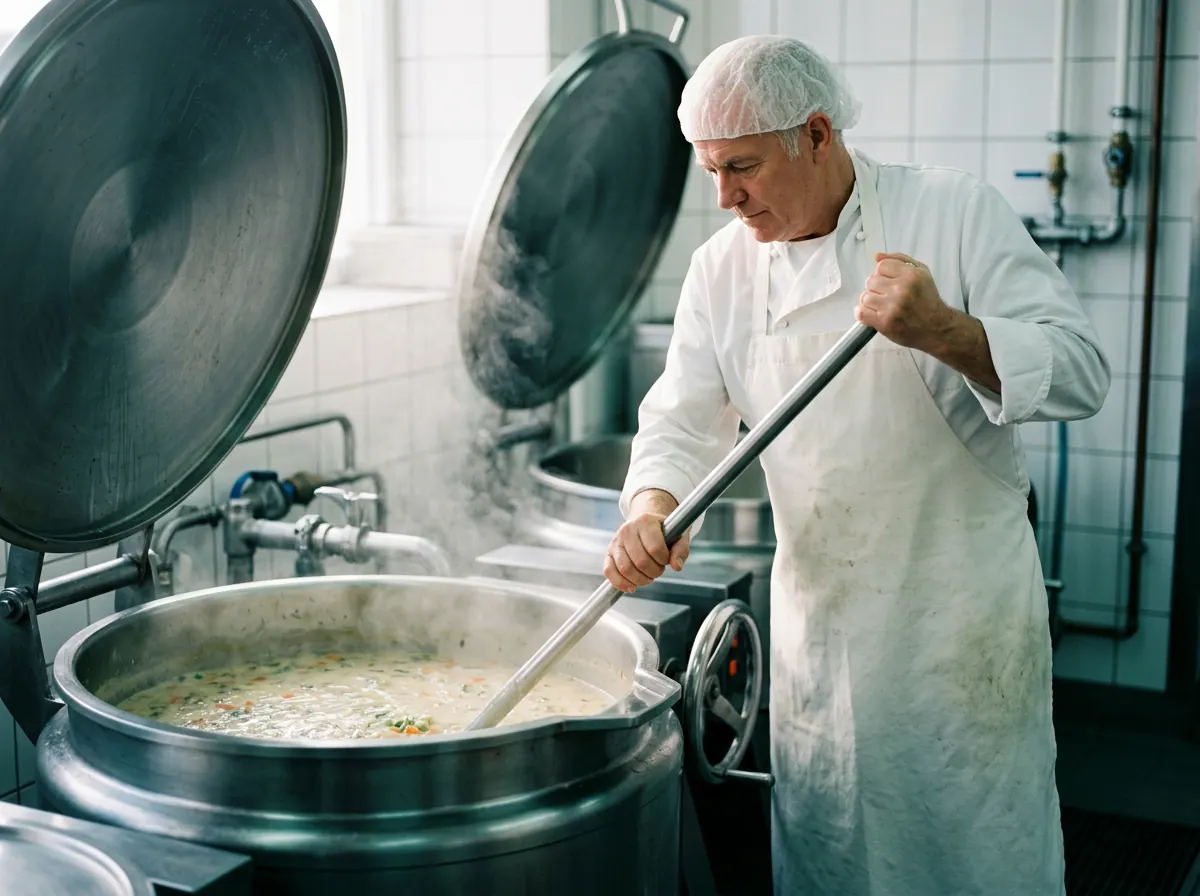
Marie DeKeyser made chowder and French onion soup for Green Bay supper clubs in 1994. Small brands kept asking her to make their recipes too, and in 2006 her son Luc turned the kitchen into a co-packer built for runs that big plants turn down.
From brand owners
"I had a family pasta sauce and no idea what a process authority was. They walked me through every step, and the pilot jars got me into 14 grocery stores before my first full run."
"Two big plants wanted 2,000 cases minimum. DeKeyser ran 200 cases of beer cheese dip, and the worked cost sheet matched my invoice within four cents a tub."
"Our hot sauce pH was a little high. Their food scientist adjusted the vinegar without changing the taste, and we passed the safety review on the first try."
Questions
Not answered here? Call and talk to our food scientist directly.
Yes, or at least a clear idea. Most clients bring a kitchen recipe that works at home. We scale it and keep it tasting like yours.
No. We sign your confidentiality agreement before the first call, and your formula stays yours. You can take it to another plant any time.
We run dairy, wheat, soy and eggs on scheduled days with full cleanup and testing in between. We do not handle peanuts or tree nuts at all.
Yes. Our kitchen is certified organic, and gluten-free runs are scheduled first thing after a full cleaning with swab tests.
Either of us. We buy stock jars and caps at our volume. You can supply labels, or we can connect you with local label printers who know our applicator.
Most runs are cooked, filled and cased in one or two days. Testing and release add three more days before pallets ship.
Request a quote
Every quote comes with a worked cost per unit, a timeline and an honest answer on whether we are the right kitchen for you.